
Family Fun & Learning
How Do Puzzles Help Emotional Development
Dec
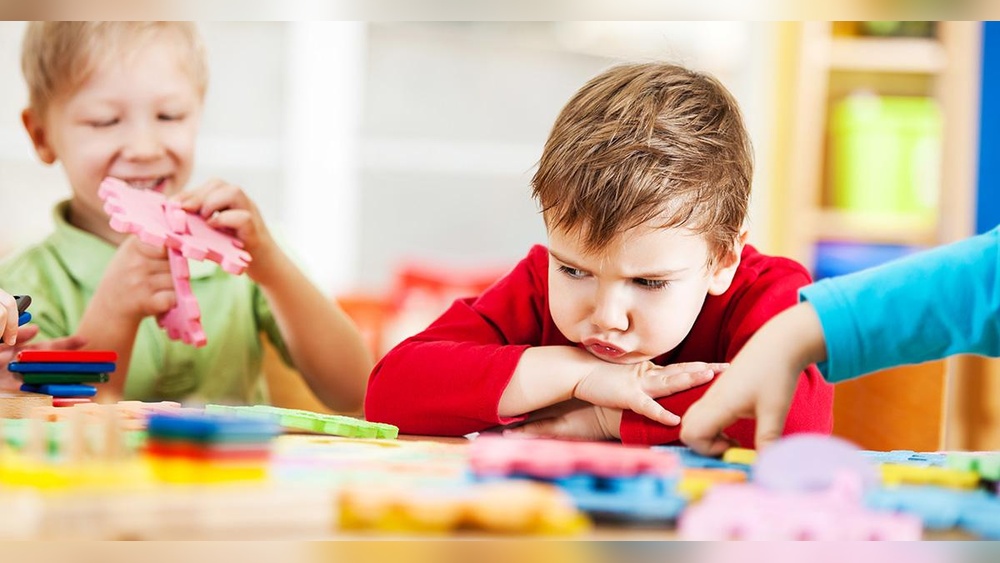
Have you ever noticed how puzzles can keep you hooked for hours? Beyond just being fun, puzzles play a powerful role in shaping your emotional world.
They challenge your patience, boost your confidence, and even teach you how to handle frustration. If you want to discover how something as simple as fitting pieces together can help you grow emotionally, keep reading. This article will reveal surprising ways puzzles support your emotional development and why they might be exactly what you need to feel more balanced and resilient every day.
Emotional Skills Boosted By Puzzles
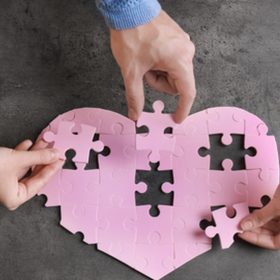
Puzzles help develop many emotional skills in children and adults. They teach how to handle feelings during challenges. Solving puzzles builds strong emotional habits. These skills support growth beyond just completing the task.
Understanding the emotional benefits of puzzles shows why they matter. They help with patience, managing frustration, and feeling proud. These skills improve confidence and help with daily life struggles.
Patience And Perseverance

Puzzles require time and focus. Pieces do not fit instantly. This teaches patience and keeps players calm. Perseverance grows as players try again after mistakes. These skills help people wait and keep working toward goals.
Frustration Management
Some puzzle parts are hard to place. This can cause frustration. Puzzles teach how to stay calm and find new ways to solve problems. Learning to control frustration helps with many life challenges. It builds emotional strength step by step.
Sense Of Achievement
Completing a puzzle gives a big feeling of success. This sense of achievement boosts self-esteem. Players feel proud of their hard work. This positive feeling encourages trying new tasks. It supports emotional growth and motivation.
Puzzles And Self-esteem
Puzzles play a key role in building self-esteem. Completing a puzzle gives a clear sense of success. This feeling helps children and adults feel proud and capable. Puzzles also show that patience and effort lead to results. These small wins add up and boost confidence over time.
Building Confidence
Each puzzle piece fits into a bigger picture. Finding the right piece helps build belief in one’s skills. The challenge improves focus and problem-solving. These skills grow stronger with every puzzle finished. Confidence grows as tasks become easier to handle.
Encouraging Independent Thinking
Puzzles invite individuals to think on their own. They test patience and creativity without outside help. Solving puzzles encourages making decisions independently. This process strengthens self-reliance and personal judgment. Independent thinking is a key part of healthy self-esteem.
Social And Emotional Connections
Puzzles are more than just a fun activity. They help build social and emotional connections. These connections are important for emotional growth. Puzzles encourage kids and adults to work together. They also improve how people talk and understand each other.
Collaboration And Teamwork
Solving puzzles often requires working in a group. Team members share ideas and listen to each other. This helps build trust and respect. People learn to wait their turn and be patient. Everyone plays a part in completing the puzzle. Teamwork boosts confidence and helps people feel included.
Communication Skills
Puzzles promote clear and simple communication. Players explain their thoughts and describe pieces. They ask questions and give feedback. This practice improves speaking and listening skills. Sharing ideas helps reduce misunderstandings. Good communication strengthens relationships and emotional bonds.

Credit: www.amazon.com
Cognitive And Emotional Link
Puzzles do more than just challenge the brain. They build a strong connection between thinking and feeling. This link helps children and adults handle emotions better. Solving puzzles trains the mind to manage stress and stay calm. It also improves how we react to problems in life.
Understanding this connection is key to emotional growth. The brain learns to focus and control feelings during puzzle play. This practice supports emotional health and overall well-being.
Problem-solving And Emotional Regulation
Puzzles teach problem-solving skills step by step. Each piece fits into a bigger picture. This process helps people stay patient and calm. They learn to control frustration when pieces don’t fit right away. Handling small challenges builds emotional strength. It trains the brain to face bigger problems with less stress.
Emotional regulation improves as puzzle solvers practice thinking clearly. They learn to pause, think, and try again. This skill helps manage anger and anxiety in real life.
Mindfulness And Focus
Puzzle solving requires focus and attention to detail. This activity encourages mindfulness, a state of being present. Mindfulness helps reduce negative emotions and improves mood. Concentrating on puzzles quiets the mind and lowers stress levels. It creates a peaceful moment, away from distractions.
Regular puzzle play strengthens the ability to focus longer. This sharpens both cognitive and emotional skills. The calm focus gained helps people feel more balanced and aware.
Puzzles Across Age Groups
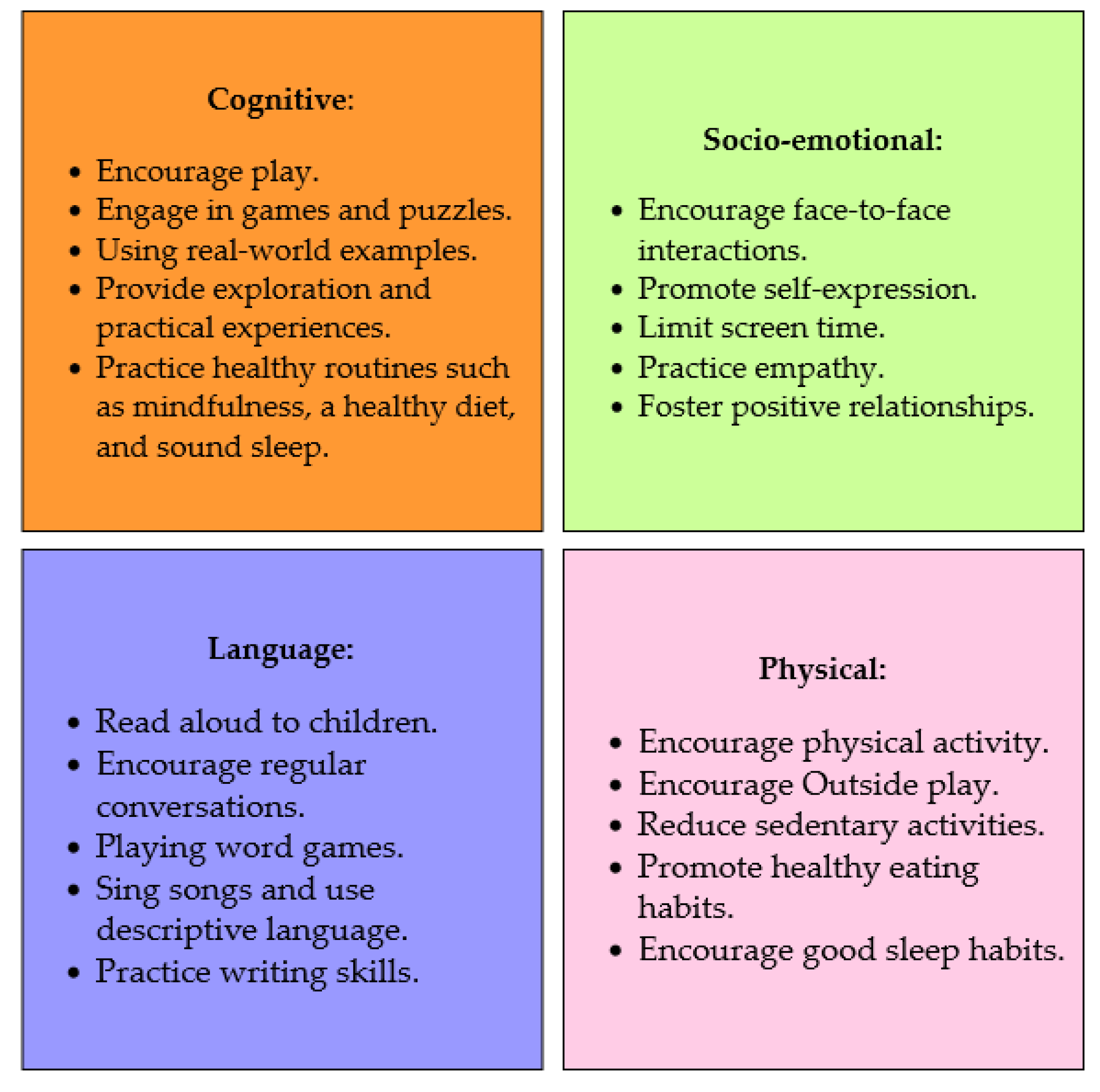
Puzzles support emotional development at every age. Each stage of life benefits differently. From toddlers to adults, puzzles help build skills and feelings.
They teach patience, focus, and problem-solving. These skills link closely to emotions. Let’s explore how puzzles impact emotions in various age groups.
Early Childhood Benefits
Young children learn to manage frustration while solving puzzles. They feel pride when pieces fit correctly. This boosts self-confidence and patience. Puzzles also improve attention span and memory. These skills help children handle emotions better.
Teens And Emotional Growth
Teenagers face many emotional challenges. Puzzles provide a calm, focused activity. They reduce anxiety and stress. Teens learn to stay calm and think clearly. Puzzles encourage persistence and resilience. These traits improve emotional health over time.
Adults And Stress Relief
Adults often feel pressure from work and life. Puzzles offer a quiet break from stress. They promote relaxation and mindfulness. This lowers anxiety and improves mood. Puzzles also keep the brain active. This supports emotional balance and mental health.
Credit: baraka.travel

Credit: www.shumee.in
Frequently Asked Questions
How Do Puzzles Improve Emotional Regulation In Children?
Puzzles help children manage emotions by promoting patience and focus. They encourage problem-solving, reducing frustration and anxiety. Completing puzzles boosts confidence and provides a sense of achievement, supporting emotional stability and resilience in young learners.
Can Puzzles Enhance Self-esteem And Confidence?
Yes, puzzles build self-esteem by offering achievable challenges. Successfully solving puzzles gives a sense of accomplishment. This positive reinforcement helps children feel capable and confident in their abilities, fostering emotional growth and a positive self-image.
Do Puzzles Help Reduce Stress And Anxiety?
Puzzles act as calming activities that divert attention from stress. They engage the mind, promoting relaxation and mindfulness. Regular puzzle-solving can lower anxiety levels by providing a focused, enjoyable task that soothes the emotional state.
How Do Puzzles Encourage Social And Emotional Skills?
Puzzles often require cooperation and communication, enhancing social skills. Working together teaches empathy, sharing, and patience. These interactions support emotional development by helping children understand and express feelings in a group setting.
Conclusion
Puzzles help children learn to manage their feelings. They build patience and improve focus step by step. Solving puzzles gives a sense of pride and calm. Kids also learn to handle frustration in a healthy way. These small challenges teach important skills for life.
Playing puzzles often leads to better social skills too. Simple, fun, and helpful for emotional growth. A great tool for any child’s development journey.
