
Mind & Wellness
How to Improve Puzzle

Dec
Do you want to get better at solving puzzles? Whether it’s a tricky crossword, a challenging jigsaw, or a mind-bending logic game, improving your puzzle skills can be fun and rewarding.
Imagine finishing puzzles faster and feeling more confident every time you sit down to play. You’ll discover simple and effective ways to boost your puzzle-solving abilities. Keep reading, and you’ll unlock tips that make puzzles easier and more enjoyable for you.
Choosing The Right Puzzle

Choosing the right puzzle is key to enjoying and improving your skills. The puzzle should match your current ability and interest. It helps keep you motivated and challenged. Picking puzzles carefully can make your practice more fun and effective.
Selecting Difficulty Levels
Start with puzzles that fit your skill level. Easy puzzles build confidence and teach basics. Hard puzzles push your thinking and problem-solving skills. Change difficulty as you improve. Avoid puzzles that feel too easy or too hard. Balance keeps your brain active and engaged.
Exploring Different Puzzle Types
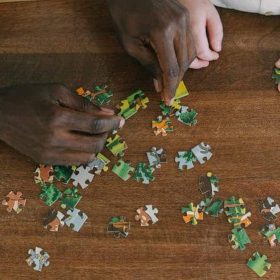
Try various puzzle kinds to find what you like. Crossword puzzles improve vocabulary and memory. Sudoku sharpens logic and number skills. Jigsaw puzzles enhance visual thinking and patience. Different types train different parts of the brain. Variety makes practice more interesting and complete.
Considering Puzzle Themes
Choose themes that capture your attention. Nature, history, or animals can make puzzles more fun. Themes help connect puzzles with your interests. Engaging themes boost focus and enjoyment. They make solving puzzles feel less like work and more like play.
Credit: starhansen.com
Developing Problem-solving Skills
Developing problem-solving skills helps you tackle puzzles more easily. It trains your brain to think clearly and find solutions fast. These skills also help in daily life challenges.
Building problem-solving skills takes practice and patience. Focus on simple steps and keep improving little by little.
Breaking Down Complex Problems
Start by dividing big problems into smaller parts. Smaller pieces are easier to handle and understand. Solve each part one by one. This method reduces confusion and makes solutions clearer.
Practicing Logical Thinking
Logical thinking means following clear steps to solve puzzles. Practice by asking questions like “What happens next?” or “Why did this happen?” This helps you see cause and effect. Try puzzles that require step-by-step thinking to improve.
Enhancing Pattern Recognition
Look for repeating shapes, numbers, or ideas in puzzles. Recognizing patterns helps predict what comes next. Practice with puzzles that use sequences or matching. This skill speeds up solving and builds confidence.
Effective Strategies For Puzzle Solving
Improving puzzle skills requires smart strategies and patience. Using clear methods helps solve puzzles faster and with less stress. This section shares easy and effective ways to approach any puzzle. These tips work for jigsaw puzzles, logic puzzles, and more. Follow these steps to enjoy your puzzle time and see progress.
Starting With The Edges
Begin by finding all the edge pieces. These pieces have one flat side. Sorting edges first creates a clear frame for the puzzle. It helps limit the area you work on. A strong border makes filling the inside simpler. Focus on edges before trying to fit other pieces.
Using Process Of Elimination
Look at pieces that do not fit in one spot. Remove pieces that clearly do not match. Narrow down choices by color, shape, and pattern. This method saves time and reduces confusion. It guides your search for the correct piece. Keep testing and removing wrong pieces until one fits.
Working In Sections
Divide the puzzle into small parts based on colors or images. Complete one section at a time. This makes a big puzzle feel easier and less overwhelming. Join sections together after finishing each part. Working in chunks helps focus and track progress. Small wins keep motivation high.

Credit: www.amazon.com
Building Concentration And Patience
Building concentration and patience is key to solving puzzles well. These skills help keep focus and calm during challenges. They reduce frustration and make puzzle-solving more enjoyable.
Creating A Distraction-free Environment
Find a quiet place to work on your puzzle. Turn off phones and other noisy devices. Clear your workspace of items you don’t need. A clean area helps your mind stay on the puzzle. Less noise means fewer chances to lose focus.
Taking Regular Breaks
Working too long can tire your brain. Take short breaks every 20-30 minutes. Stand up, stretch, or walk around briefly. Breaks refresh your mind and improve patience. Return to the puzzle with new energy and focus.
Setting Realistic Goals
Set small goals for each puzzle session. Finish a section or find certain pieces first. Small targets make the task less scary. Achieving these goals builds confidence and keeps patience strong. Step-by-step progress leads to success.
Utilizing Tools And Resources
Improving at puzzles takes practice and the right help. Tools and resources make learning easier and faster. They offer new ways to challenge your mind and solve problems. Using these supports helps build skills step by step.
Using Puzzle Apps And Software
Puzzle apps provide many puzzles with different difficulty levels. They let you practice anytime and anywhere. Some apps give hints to guide you through tough spots. Software often tracks your progress and suggests puzzles that fit your skill level. Using these tools regularly sharpens your thinking and problem-solving skills.
Joining Puzzle Communities
Communities connect you with other puzzle lovers. Sharing ideas and solutions helps you learn new tricks. You can ask questions and get quick answers. Many groups host contests that push your limits. Being part of a community keeps you motivated and inspired.
Accessing Tutorials And Guides
Tutorials explain puzzle strategies in simple steps. Guides break down complex puzzles into easy parts. Watching videos or reading instructions can improve your understanding. Following lessons regularly builds confidence and skill. These resources help you solve puzzles faster and better.
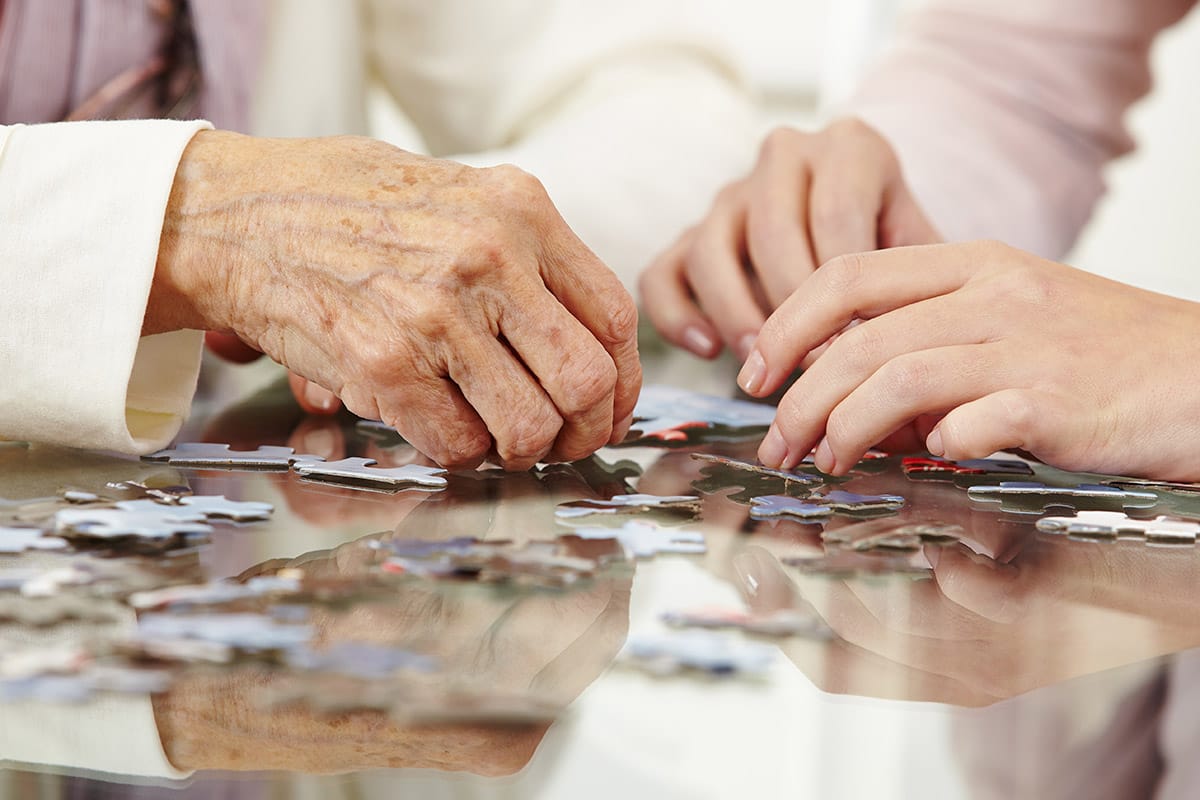
Credit: bucknercalderwoods.org
Tracking Progress And Challenges
Tracking your progress and challenges is key to improving at puzzles. It helps you see how far you have come and where to focus next. Monitoring your efforts keeps you motivated and sharpens your skills.
Keeping A Puzzle Journal
Write down each puzzle you try. Note the type, difficulty, and time taken. Record any new strategies you use. This journal becomes a map of your puzzle journey. It shows patterns and helps plan future practice.
Analyzing Mistakes
Look at puzzles you found hard or got wrong. Understand what caused the mistake. Was it a wrong assumption or a missed clue? Learning from errors prevents repeating them. This step makes your thinking clearer and faster.
Celebrating Achievements
Recognize every small win. Solving a tough puzzle or finishing faster counts. Celebrate these moments to stay motivated. Rewards build confidence and make puzzle solving fun. Keep a list of your successes to remind yourself of progress.
Frequently Asked Questions
How Can I Improve My Puzzle-solving Skills Fast?
Practice regularly with varied puzzles to enhance problem-solving speed. Focus on pattern recognition and logical thinking. Use step-by-step strategies and review your mistakes to learn effectively. Consistency is key to improving quickly.
What Are The Best Techniques To Solve Puzzles Efficiently?
Use techniques like breaking puzzles into smaller parts, spotting patterns, and eliminating wrong options. Stay patient and think logically. Practice different puzzle types to build versatility. These methods boost accuracy and speed.
How Does Improving Puzzles Benefit Brain Health?
Puzzle-solving stimulates memory, concentration, and critical thinking. It enhances problem-solving skills and cognitive flexibility. Regular puzzle practice can delay mental decline and improve mental agility. It’s a fun way to keep your brain active.
What Tools Can Help Improve Puzzle-solving Abilities?
Use apps, puzzle books, and online platforms for practice. Tools like timers and hints can track progress and provide guidance. Joining puzzle forums offers tips and community support. These resources make learning engaging and effective.
Conclusion
Improving your puzzle skills takes time and practice. Try new techniques to find what works best. Stay patient and enjoy the challenge. Small steps can lead to big progress. Keep your mind open and curious. Remember, every puzzle solved helps you get better.
Keep practicing regularly to see steady improvement. Enjoy the process and celebrate each success. Your puzzle skills will grow with effort. Keep going and have fun!
